3D-veneer
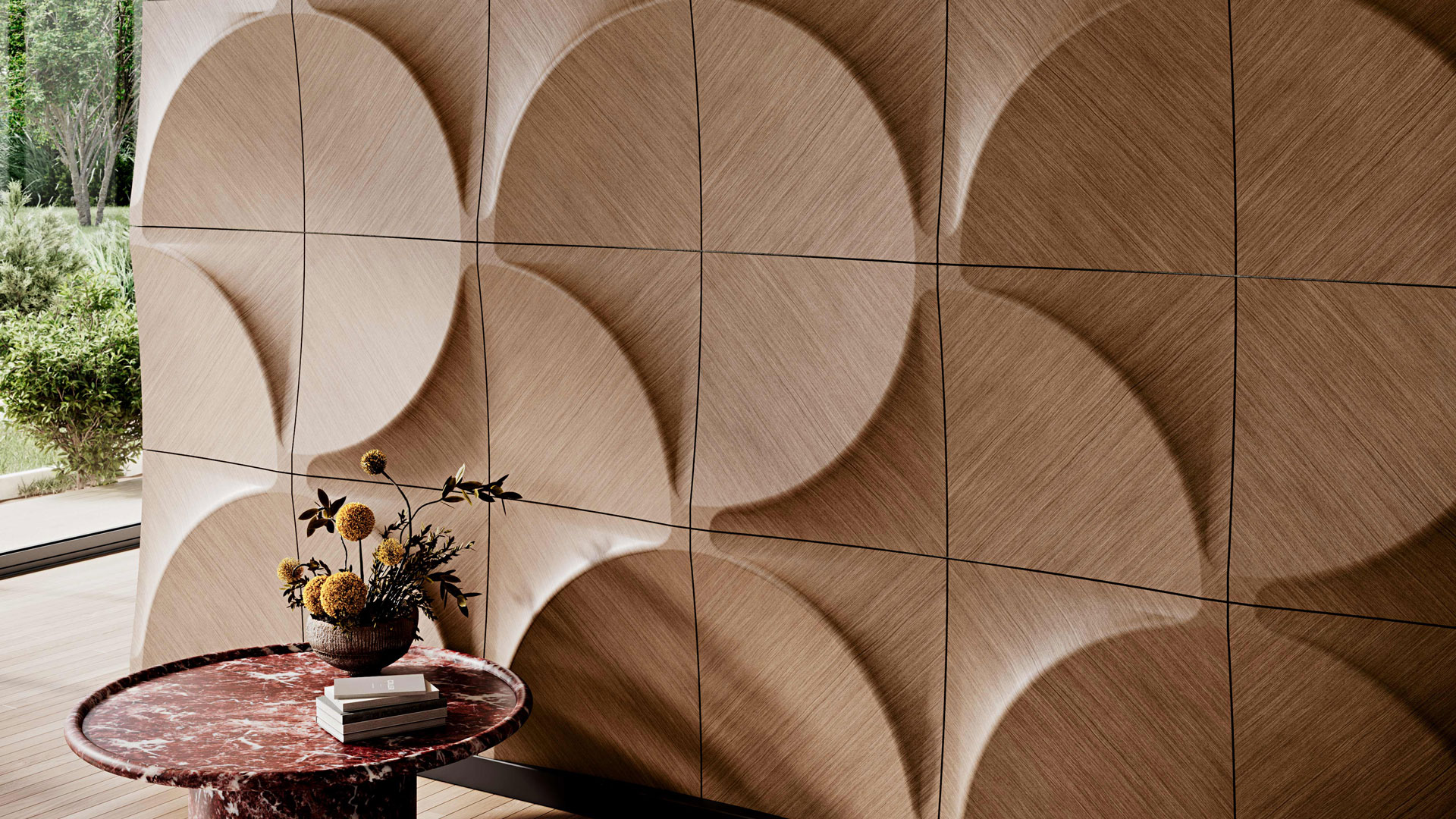
Extreme three-dimensional form, flawless surface.
_Header.png)
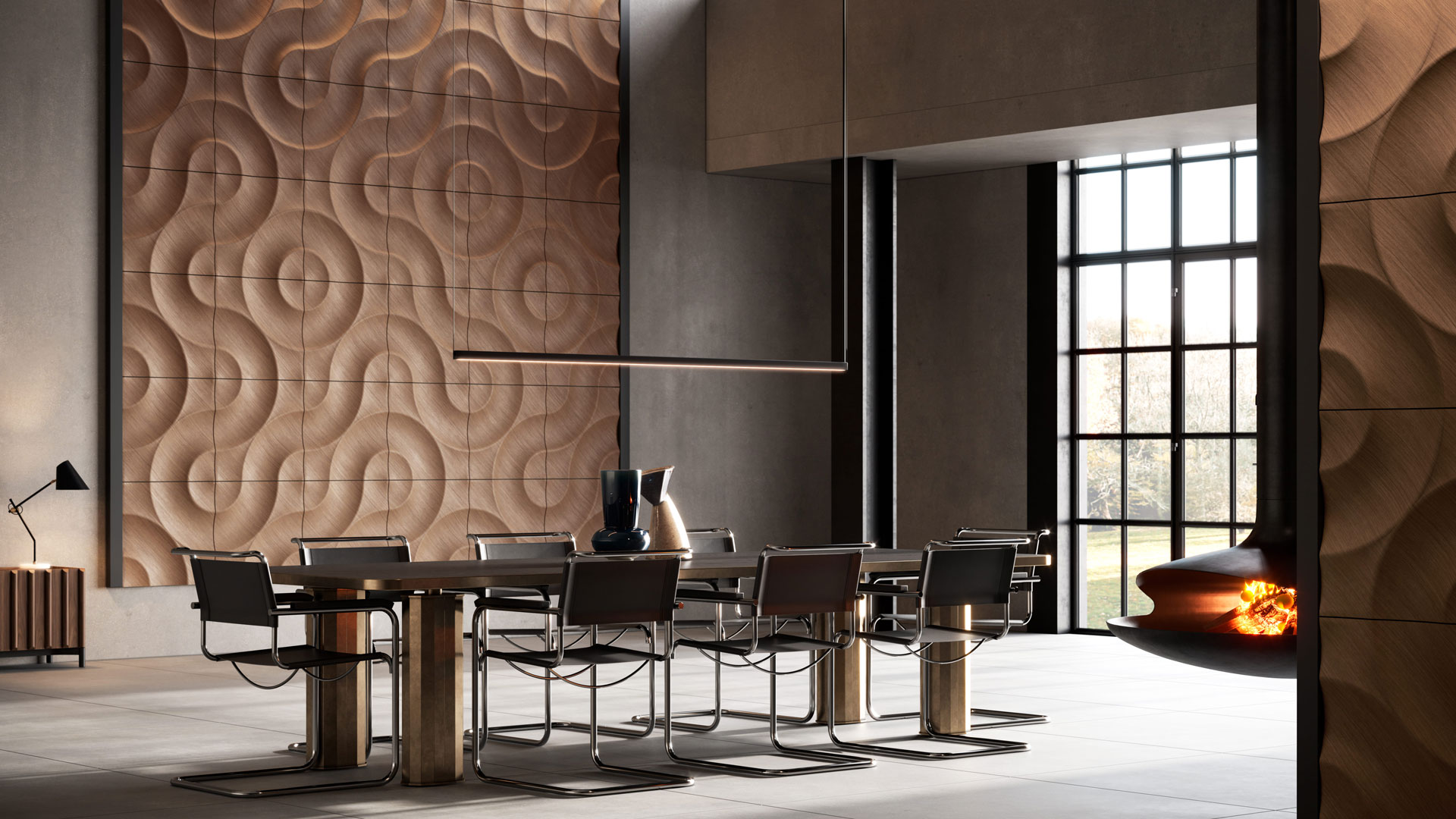
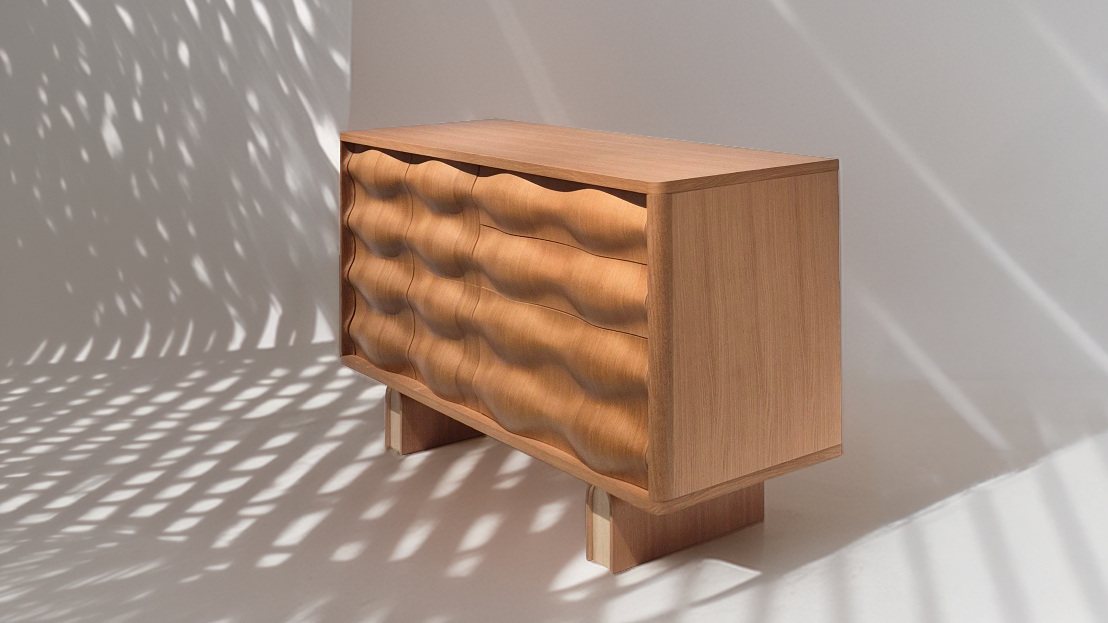
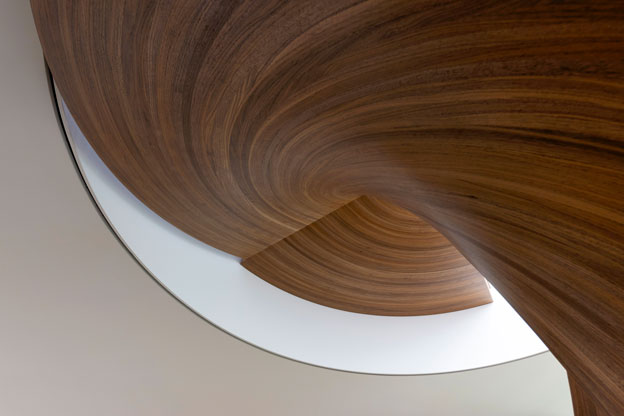
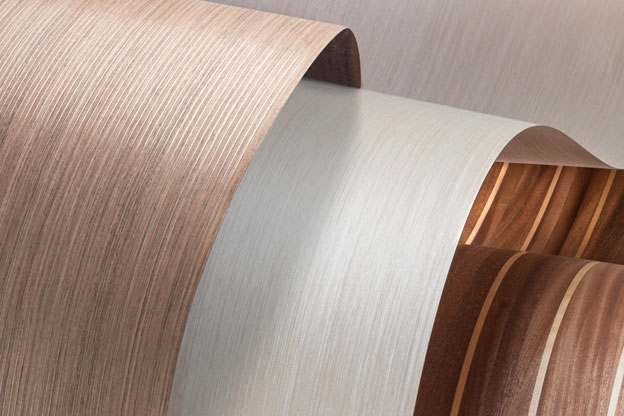
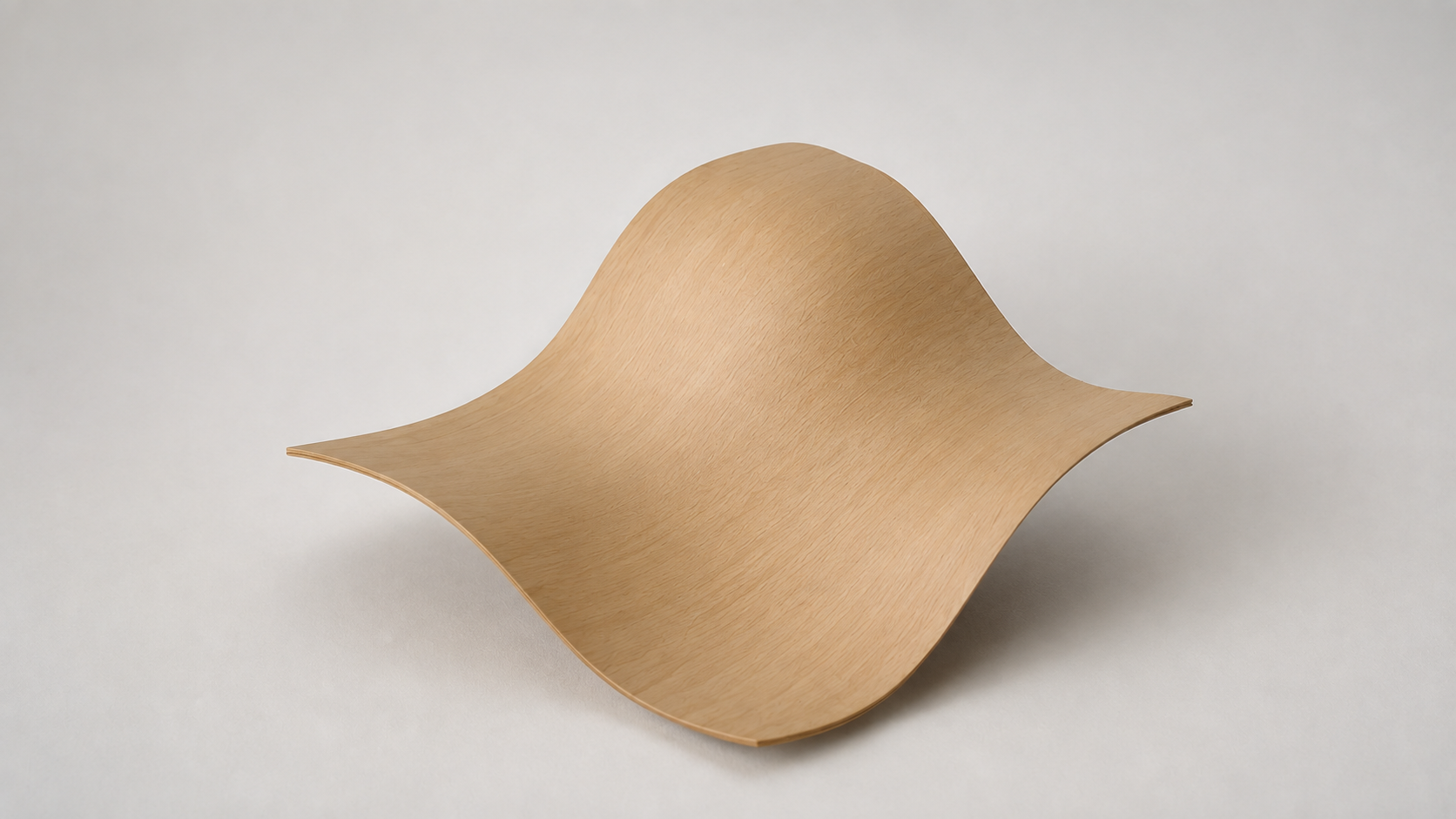
In the past, bending and forming wood veneers was possible only within narrow limits. A young, innovative German company, acquired by Danzer in 2008, changed all that, starting a new era in wood design using 3D-Veneer. Danzer’s 3D-Veneer allows to design and produce wooden organic shapes that couldn’t be realized before.
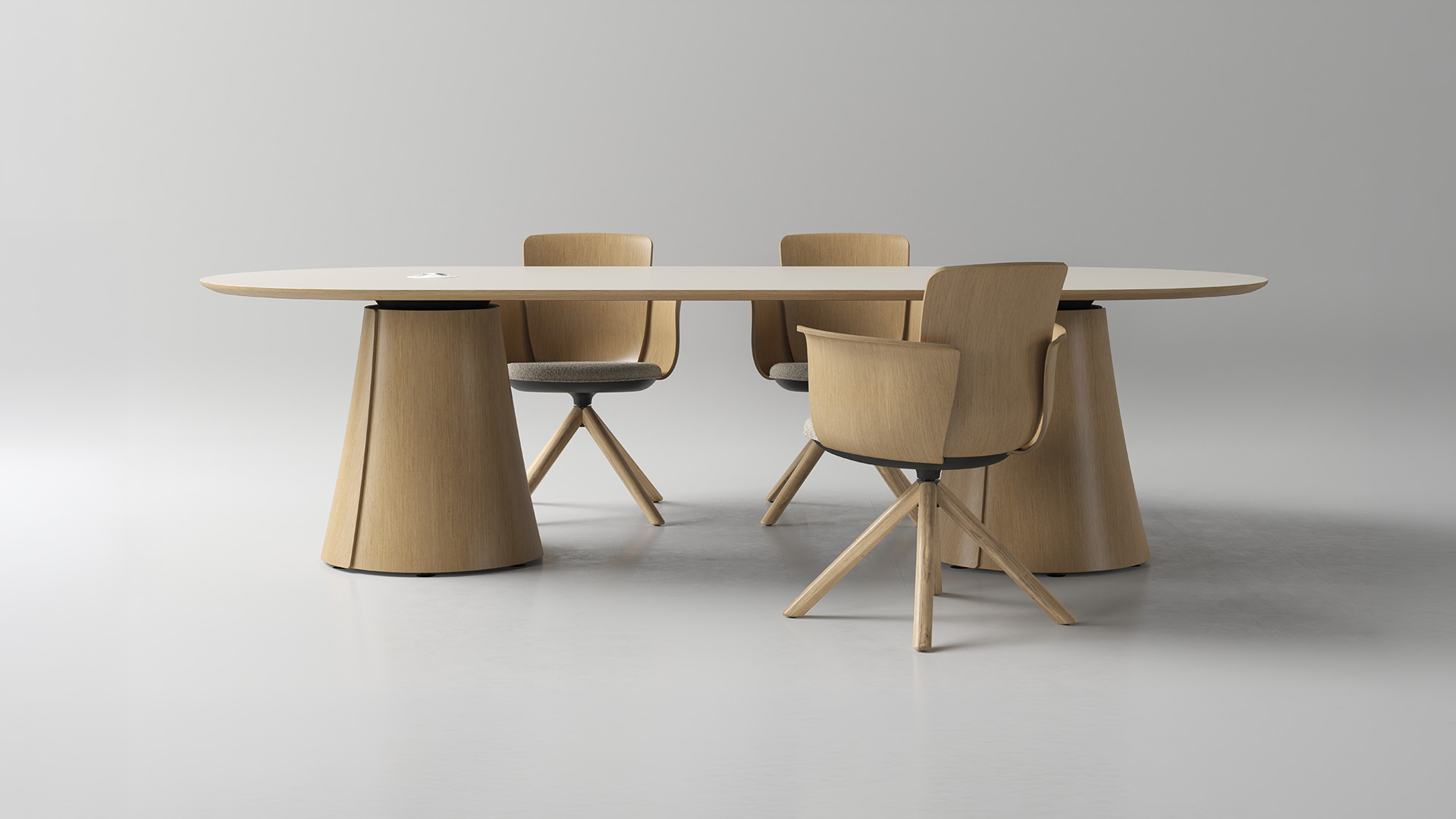
Danzer has helped hundreds of customers with 3D-Veneer projects for furniture, automotive and other applications. The Danzer team of experts supports designers and producers in the early phases of a project to design and prototype for success. Using Danzer 3D-Veneer allows designers to create distinctive new products that are lightweight, comfortable, elegant and stable and can be produced at a competitive cost.
Every wood veneer has a point where it stops bending with a shape and starts resisting it. Push conventional veneer past that point and the risk of cracking increases.
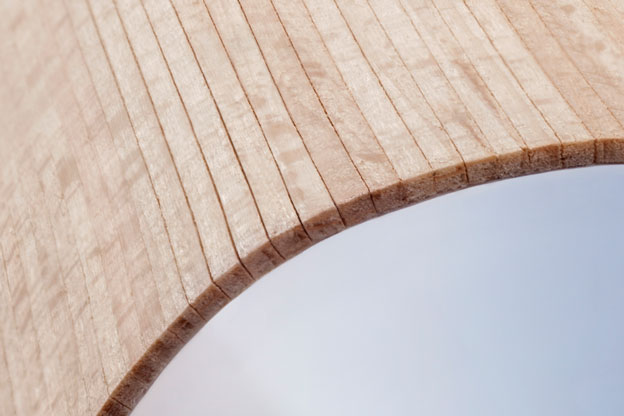
3D-Veneer is built differently. Thin sections of the veneer shift against one another as the material is formed. Instead of stretching one sheet past its limit, the structure lets the sections move independently, which is what allows more complex, organic curves in suitable applications.
3D-veneer
Extreme three-dimensional form, flawless surface.
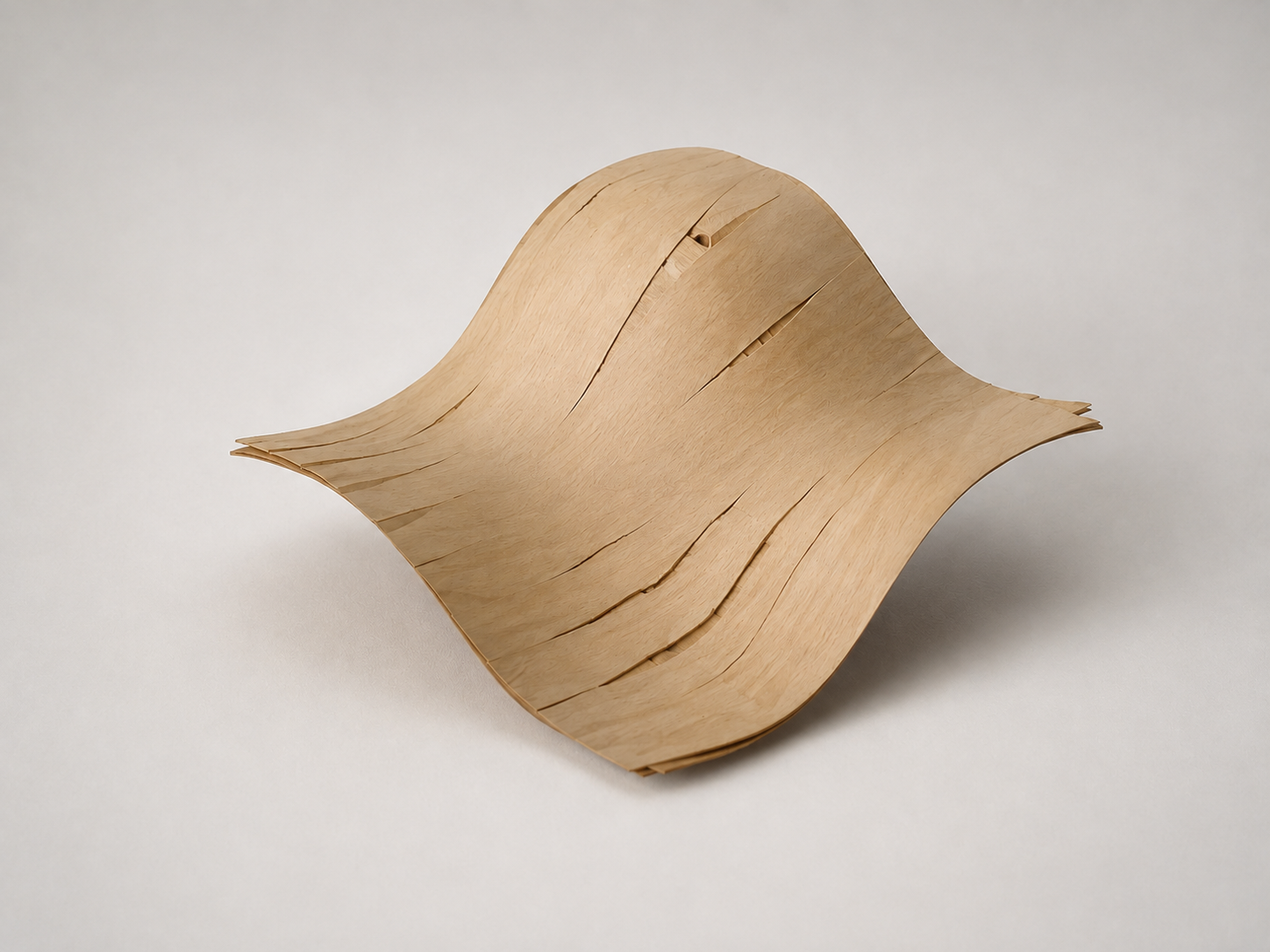
Conventional veneer
Same geometry, same pressure: cracks, folds, a surface that couldn't hold.
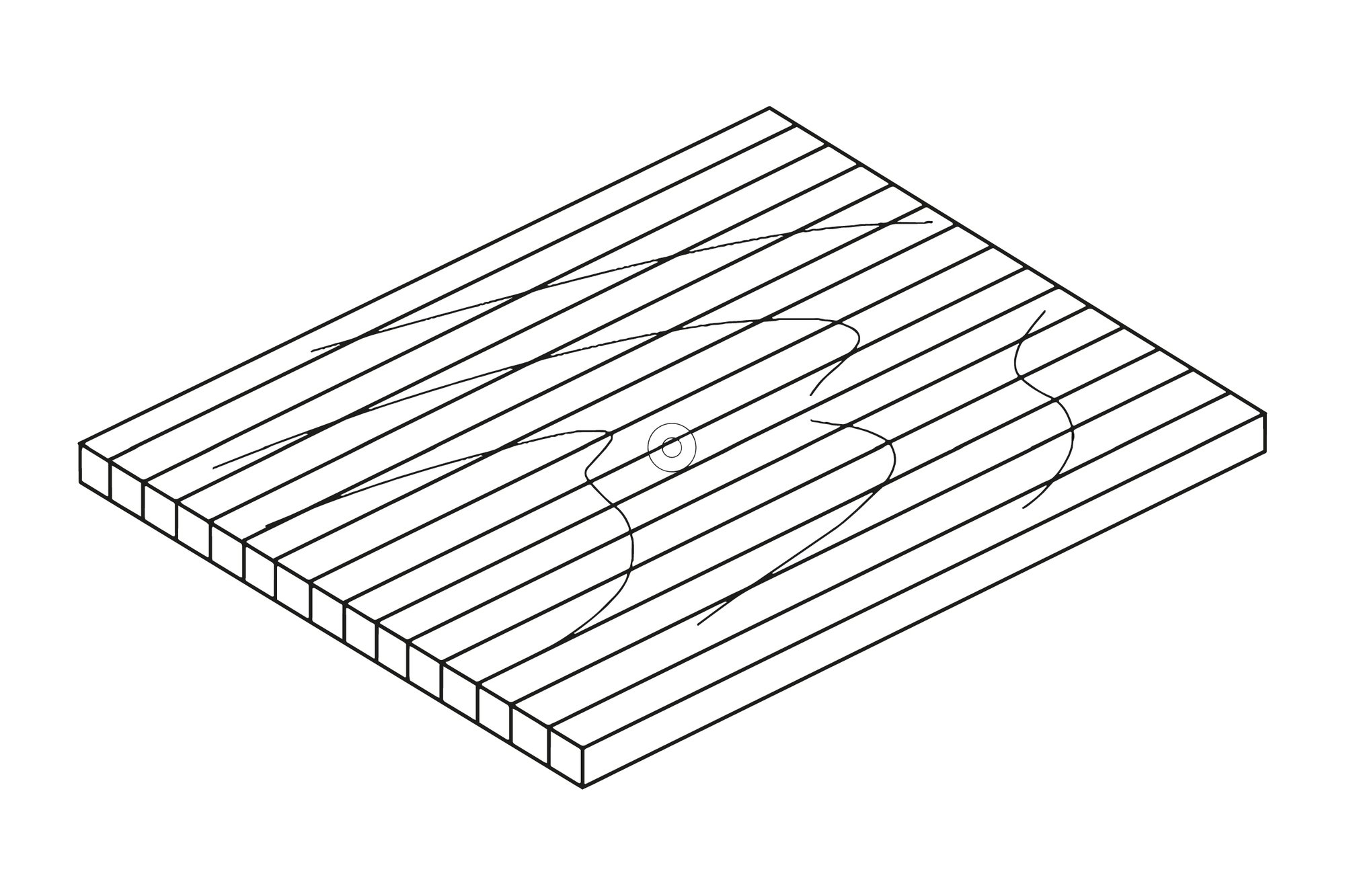
The Danzer method
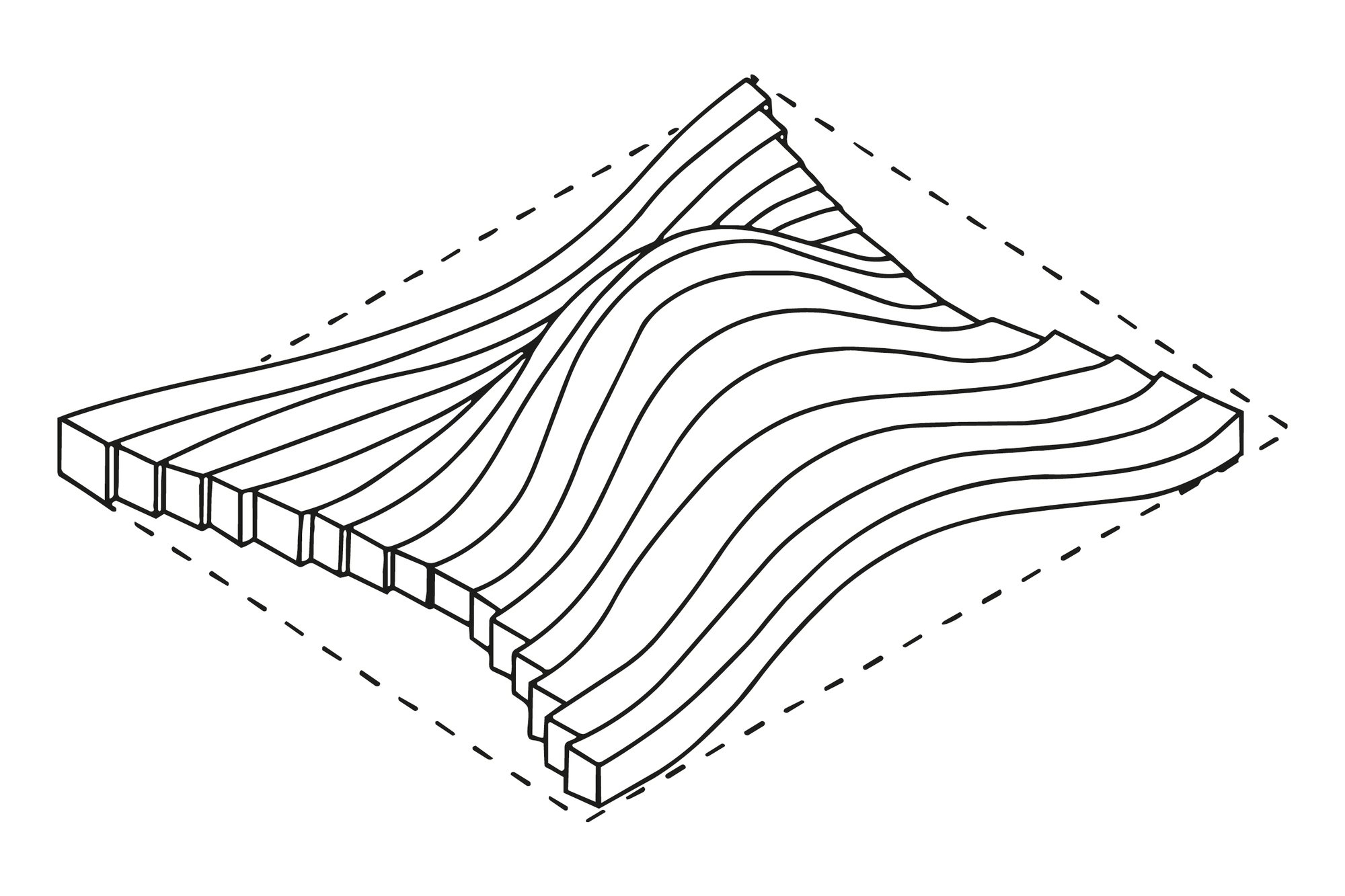
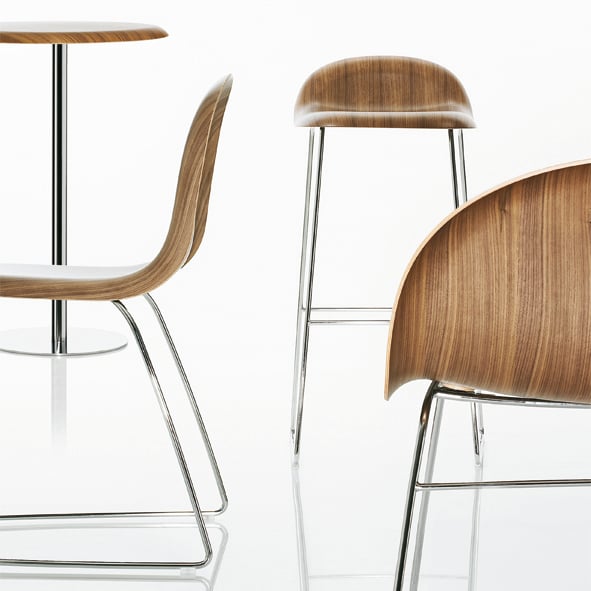
A three-dimensional shell can draw part of its rigidity from its form rather than from added material. That makes room for slim, thin-walled designs that look and feel light. Final weight always depends on construction and application.
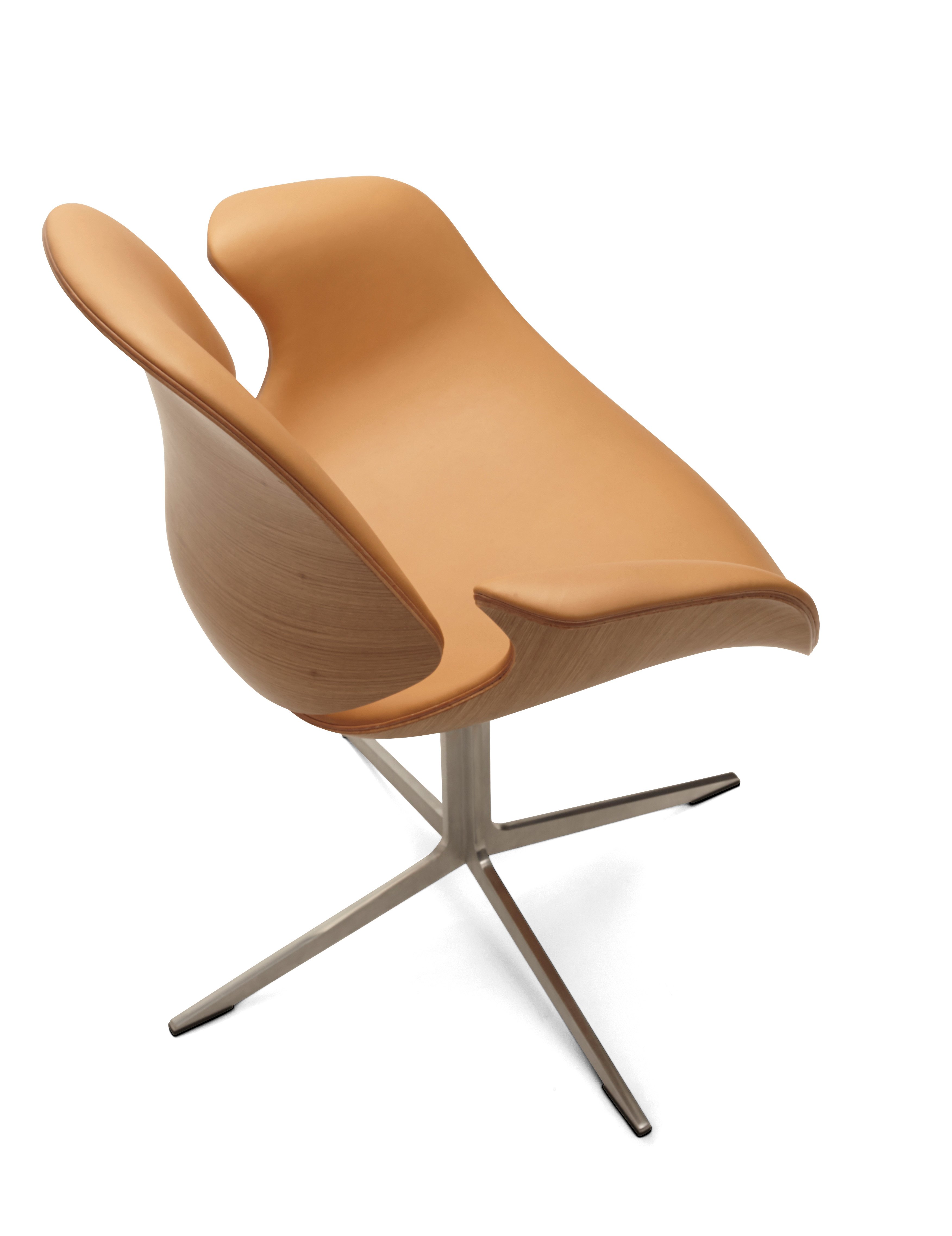
Double-curved seats and backs can follow the body more closely than parts bent in one direction only. The same curves that support the sitter give the product its line. Comfort starts with the contour, and real wood brings its own warmth to the touch.
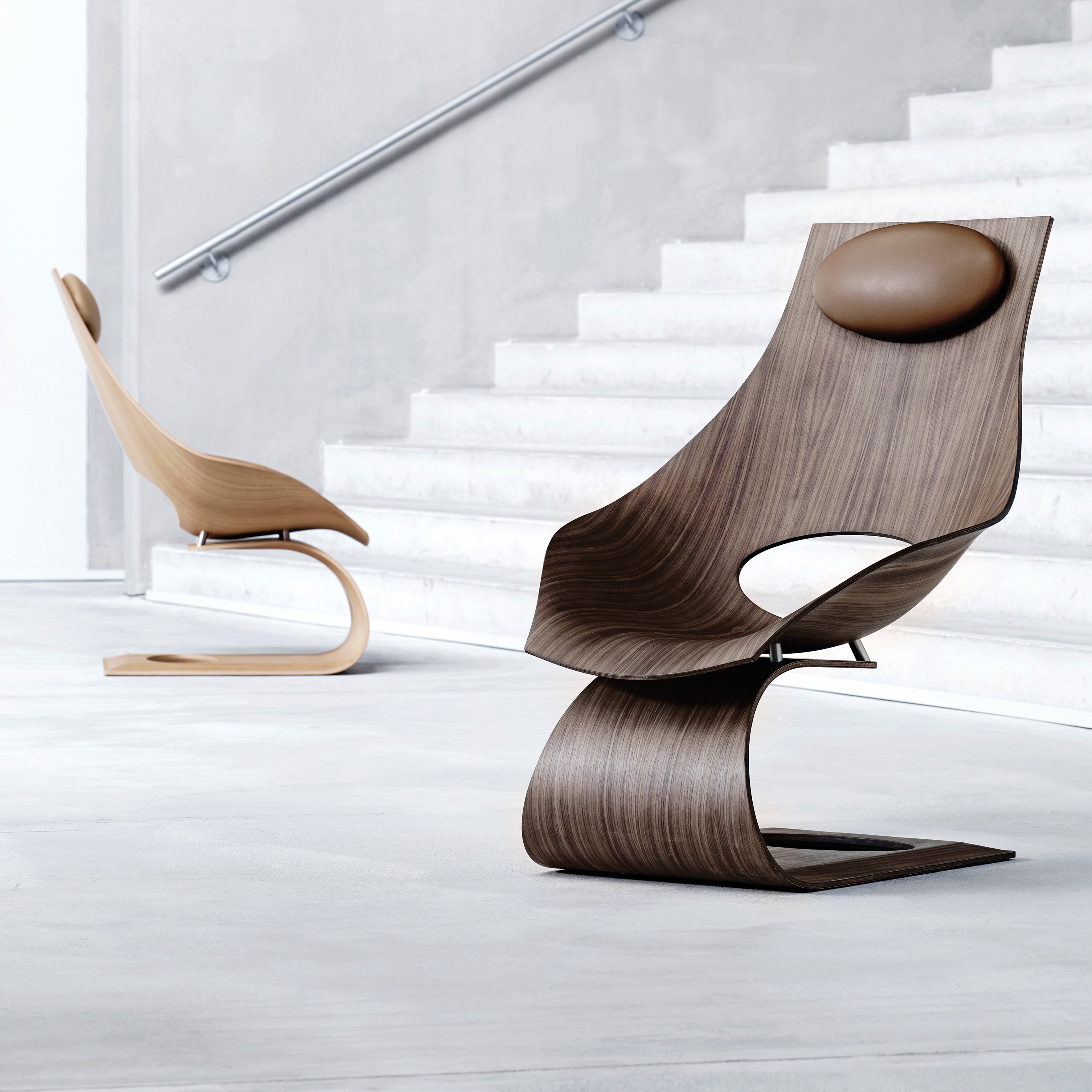
A curved, layered shell behaves differently from a flat panel: its geometry helps the part keep its form in everyday use. How much load a component can carry is defined for each application, together with our technical team.
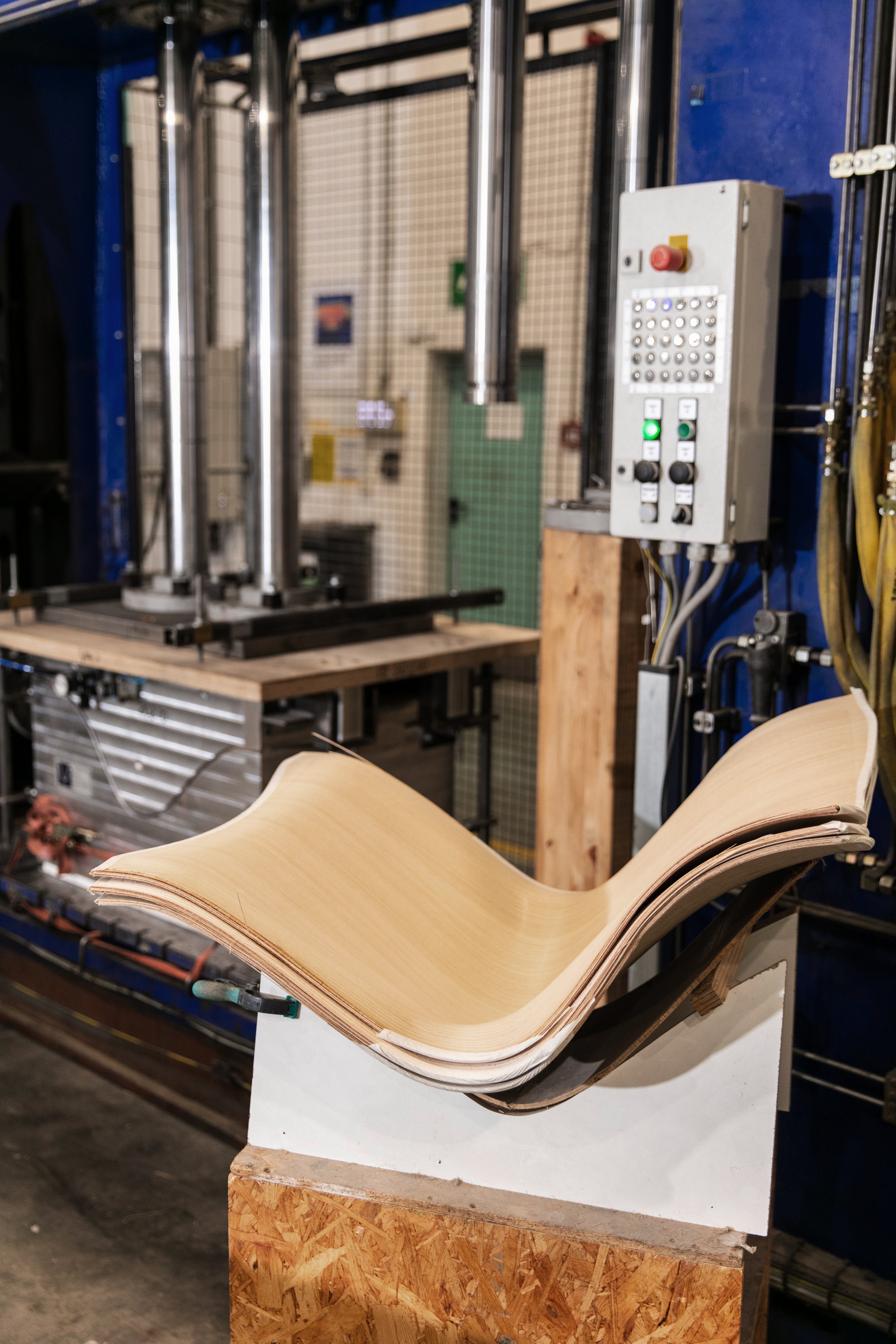
A stable part, straight from the press. Under controlled heat and pressure, the veneer bundle takes on the geometry of the mold. The result is a stable 3D-plywood molding with a clean surface, ready for further processing.
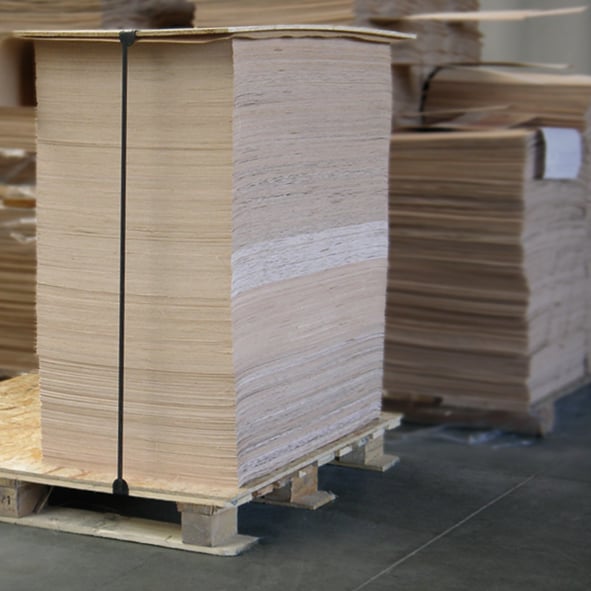
In suitable complex molded applications, 3D-Veneer can reduce forming-related rejects and the rework that comes with them. Every part that doesn't have to be scrapped saves the wood, adhesive, and press time that went into it.

Environmental Product Declarations (EPD) are available for 3D-Classic veneer, 3D-Basic veneer, and pressed shells produced in Europe. They are cradle-to-gate, valid through June 2029, and give you product-specific data for your own life cycle assessment (LCA). Our wood comes from FSC® and PEFC™ certified supply chains.
Greater forming freedom changes what a product can look and feel like before a spec sheet is ever read. A softer armrest, a continuous shell line, a curve that reads as deliberate rather than assembled: these come from geometry.
Developed by Narbutas together with Gensler as product design consultant, BOTANY takes its shape from plants and flowers. An armrest that recalls a flower petal is a forming challenge, not a finishing one.
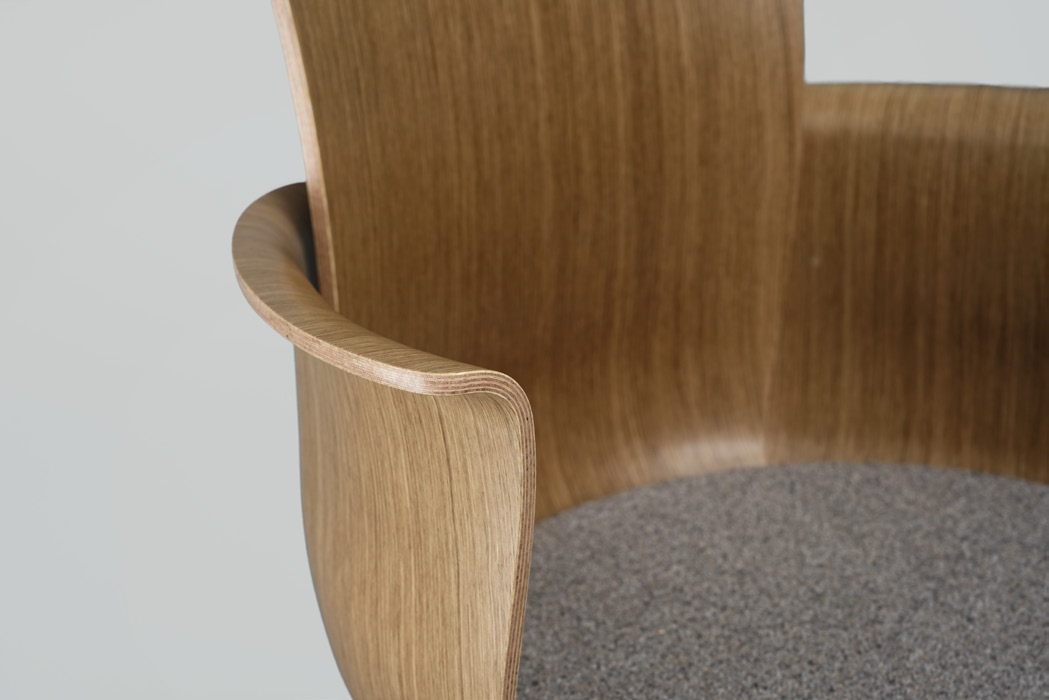
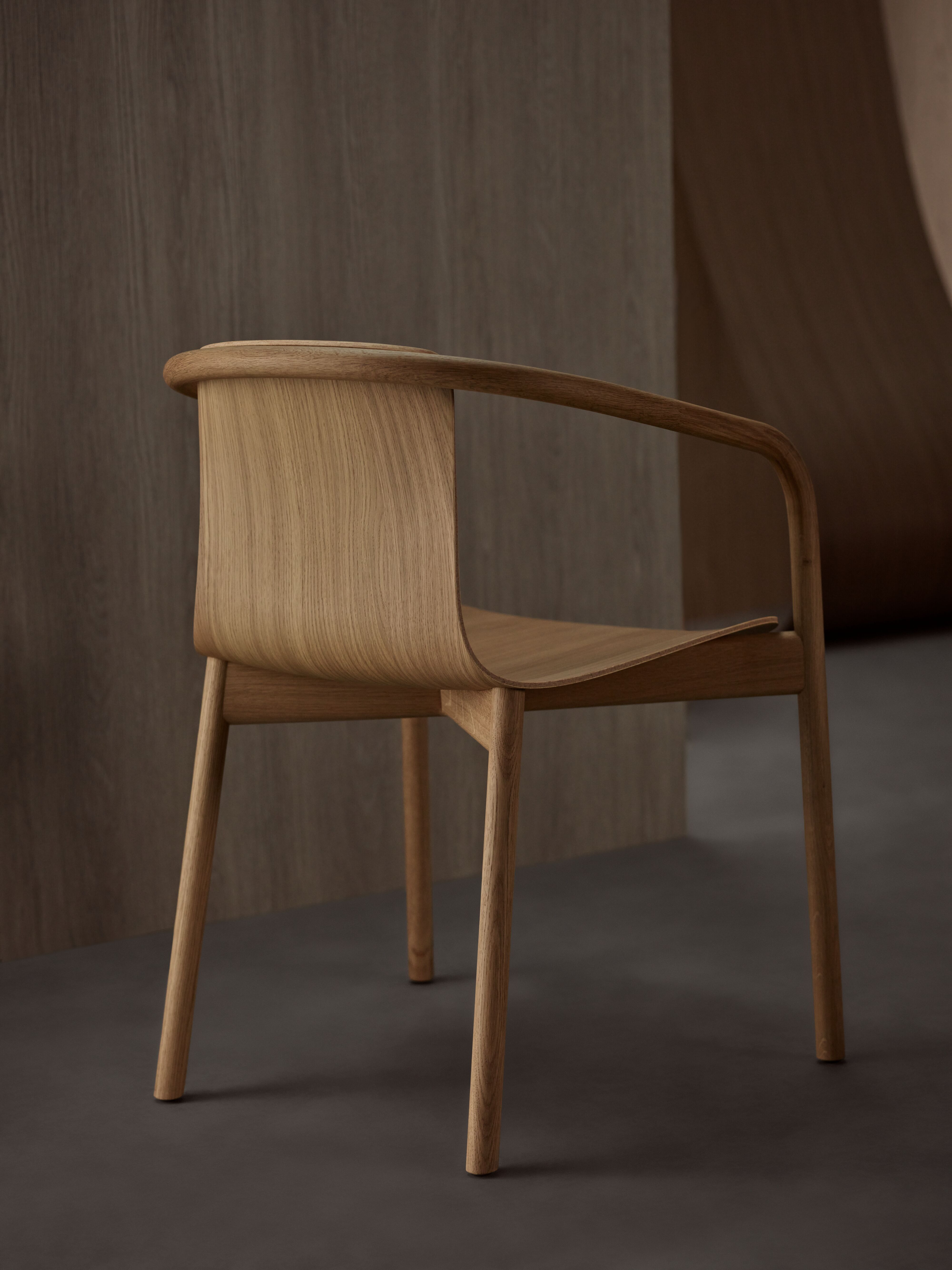
The Osuu Chair is the seventh collaborative project between Foster + Partners Industrial Design and Walter Knoll. A molded 3D-plywood shell, steam-bent dowels, and machined solid wood form the construction. The front legs, arms, and upper backrest are made from solid, steam-bent dowels. The molded plywood shell rests on wood cross rails and curves down over the backrest. The chair was developed iteratively and ergonomically tested. It weighs approximately 6 kilograms. Available in walnut or oak, the wood surfaces are treated with a natural hard wax, giving them a silky matte finish.
Designer Daniel Figueroa works from a Bauhaus-influenced principle: use no more material than the function requires, and leave out anything ornamental. For the Bistro Chair, that meant a 3D-Veneer shell and a construction reduced to its essentials.
Nothing is glued. Every component is screwed together, and the shell sits in clip connections Daniel developed with our team specifically for this product. More than a decade into use, the chair can still be fully taken apart, and a damaged part can be replaced on its own.
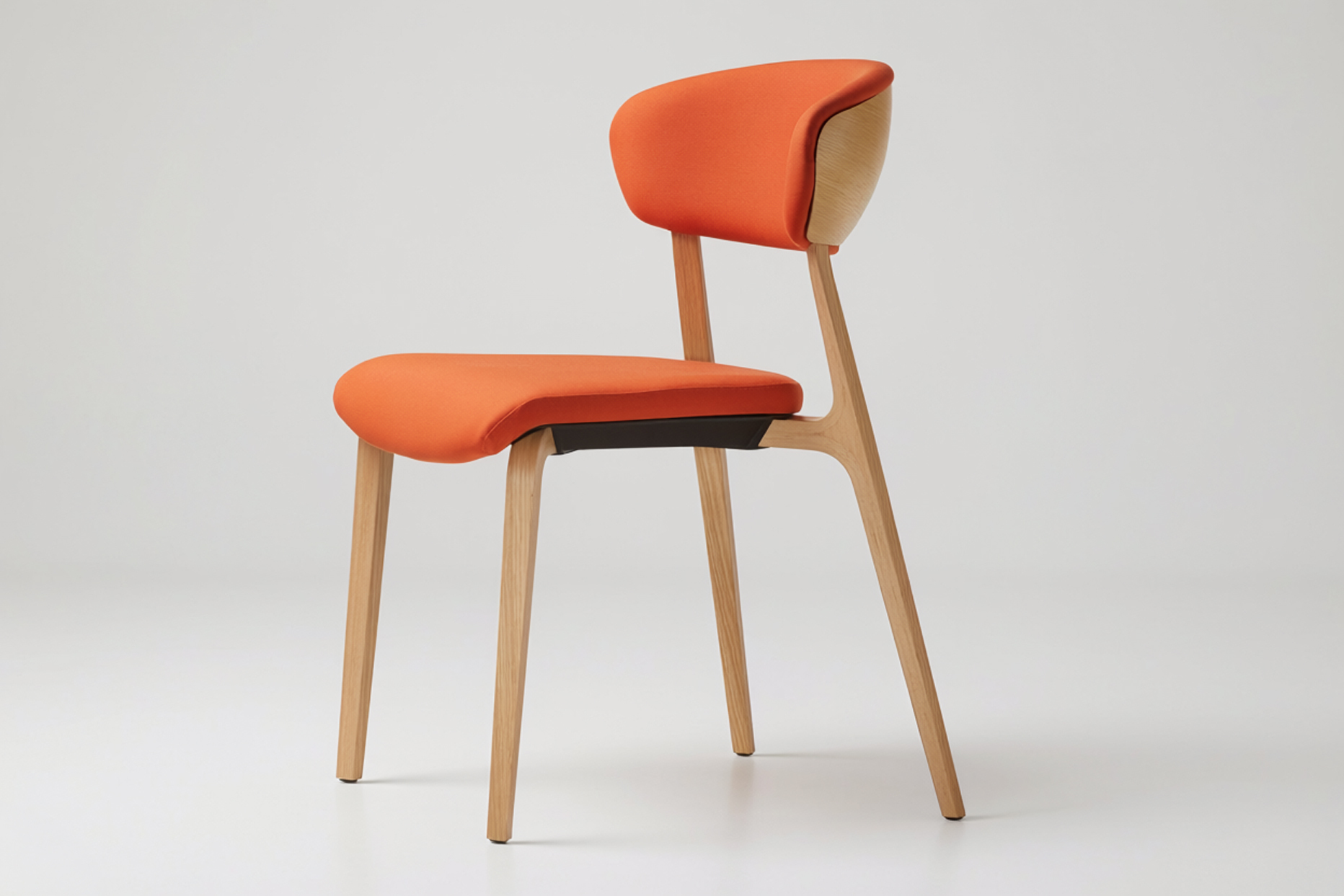
How much 3D-Veneer a product needs isn't a single yes-or-no question. It can sit as a visible accent, or it can carry the entire shell. Most real projects land somewhere between.
The Danzer Highback Shell (DHS) is an existing shell geometry, already produced by Danzer. It offers a practical way to explore a 3D-Veneer seating product before committing to custom tooling. Review
It has already become the starting point for a range of chair concepts, each shaped into its own contour and identity.
.png)
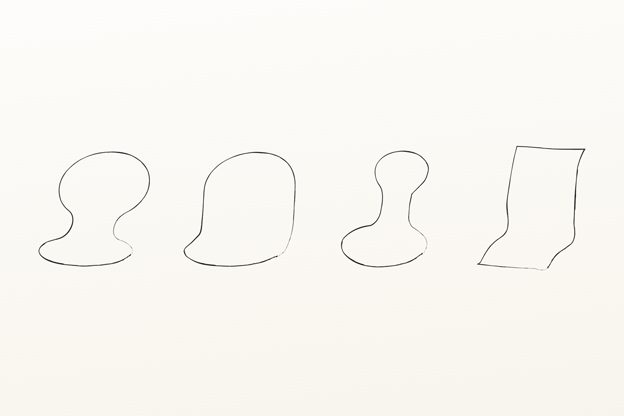
One shell. Many different chair concepts.
A 3D-Veneer project moves from idea and geometry, through material and construction, prototype, and tooling, into serial production. Danzer has supported that path for decades.
Idea & geometry
Material & construction
Prototype
Tooling & process development
Serial production
3D-Veneer is designed to be compatible with the pressing processes used for molded-plywood by manufacturers today.